
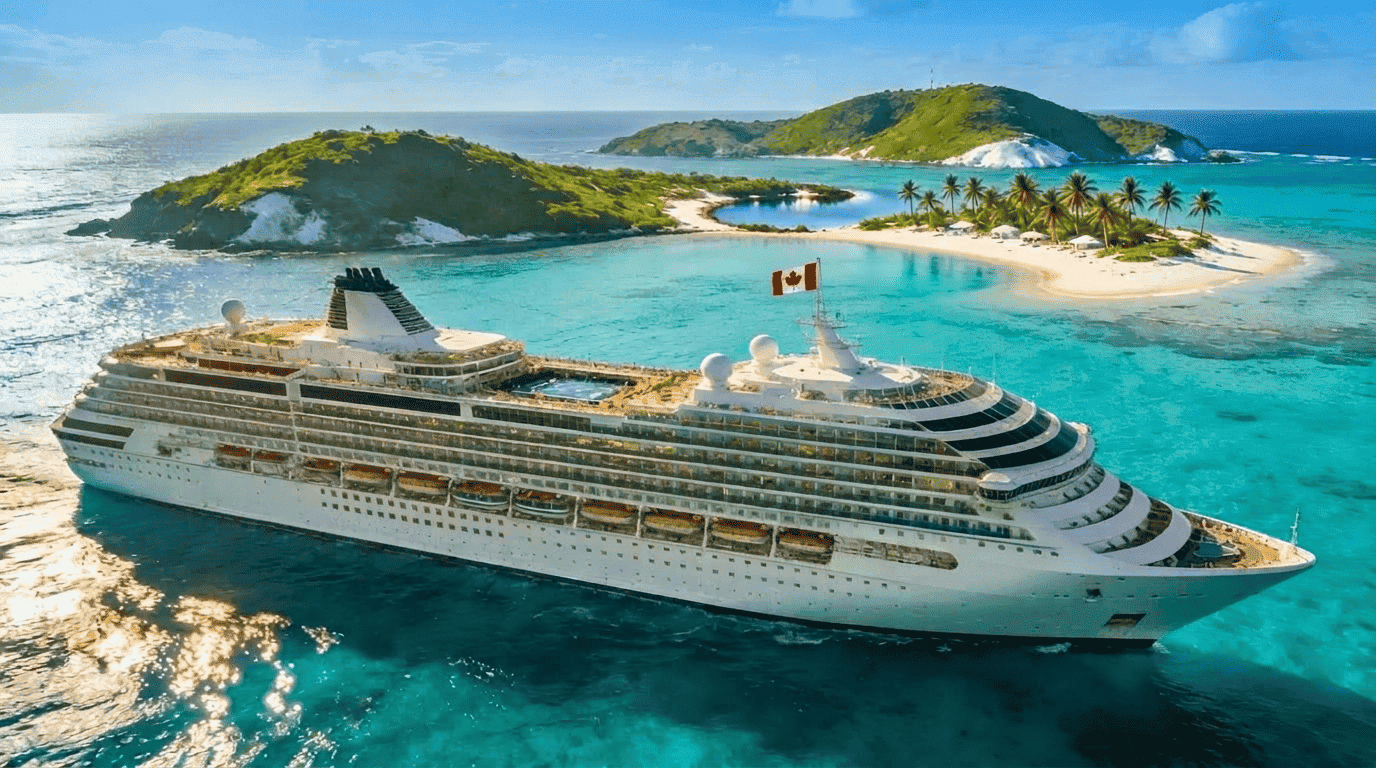
Planning Your Perfect Cruise Ship Vacation
A cruise vacation is something a lot of people think about when they just need a break from everything. You pack your bags once, get on a ship, and wake up somewhere new almost every day. It is a very simple way to travel.
But picking the right vessel can feel overwhelming. There are so many options out there. You have massive ships that look like floating cities. And then you have smaller boats that sail into quiet, hidden ports.
Here is how it works. You need to look at the cruise line, where it goes, and what amenities you actually want to enjoy onboard. This guide will help you sort through it all. We will look at everything from finding the best cruise deals to picking the right stateroom for your family.
Why People Love to Sail
Traveling by land takes a lot of planning. You have to book hotels, figure out trains or rental cars, and find a place to eat three times a day. When you book a cruise, most of that work is done for you.
You embark on the ship, find your room, and you are pretty much settled. The sea air is right outside your door. You can spend your days relaxing by the pool, exploring a new port, or just reading a book on the deck. It is a great way to disconnect. And if you want to stay connected, modern vessels have pretty good wi-fi amenities these days.
People also love the value. A standard fare usually includes your room, basic food, and a lot of entertainment. If you try to price out a land vacation with the same amount of food and shows, it usually costs a lot more.
Understanding the Major Cruise Lines
Every cruise line has its own personality. You really need to match your travel style to the right company. If you book a quiet, romantic trip on a massive party ship, you will probably be a bit disappointed.
The Big Players: Royal Caribbean and Carnival
When most people think of a cruise ship, they picture Royal Caribbean International. They are known for building the biggest ships at sea. If you want a shipboard experience packed with activities, this is a solid choice. You can find rock climbing walls, surfing simulators, and huge water slides on their deck plans. I remember looking at a deck plan for one of their massive ships once and getting completely lost. Actually—scratch that. It looked more like a blueprint for a small city. The Royal Caribbean Group manages a massive award-winning fleet, and they really push the limits of what a ship can hold.
Then you have Carnival Cruise Line. People call them the fun ships. Ships like the Carnival Liberty and the Carnival Glory are famous for their upbeat, loud atmosphere. If you want a lively cruise vacation with late-night comedy shows and deck parties, a Carnival ship is usually a good bet. The crew members always seem to be hyping up the crowd and keeping the energy high.
A More Relaxed Vibe: Norwegian, Princess, and Celebrity
Norwegian Cruise Line is another major player. They are famous for their freestyle approach. This means there are no strict dress codes and no set dining times. You dine when you want and with whom you want. It is a very relaxed way to sail.
If you want something a bit quieter, look at Princess Cruises or Celebrity Cruises. These lines cater to an older crowd or couples looking for a romantic getaway. They focus heavily on hospitality and high-end food. You might spend your evening listening to a string quartet rather than going to a loud deck party. Celebrity is often praised for its award-winning cruise ships and modern, clean design. They really want to offer the best cruise experience for people who appreciate the finer things.
Smaller Ships and River Options
If the idea of being on a boat with five thousand other people sounds terrible, you have other options. A luxury cruise usually takes place on a much smaller ship. These trips are often all-inclusive, meaning your drinks, tips, and sometimes even shore excursions are covered in the upfront price.
You could also look into a river cruise. These boats sail down calm rivers in Europe, Asia, or even the US. It is a totally different vibe. You do not get the big ocean waves, and you can usually see land on both sides of the ship at all times.
Picking Your Destination
The destination is just as important as the ship. You have to decide what kind of weather and scenery you want.
Warm Water: The Caribbean and Bahamas
The Caribbean is always popular. A Caribbean or Bahamas cruise offers warm weather, clear water, and easy travel. Most of these trips sail out of ports in Florida or Texas. You can spend your days snorkeling, sitting on the beach, or walking around local markets.
The Cold Beauty of Alaska
But since a lot of people reading this are likely looking for options closer to home in Canada, an Alaska cruise is a fantastic choice. Many of these voyages embark right from Vancouver. Sailing up the coast to see a massive glacier is an unforgettable experience. The scenery is wild and untouched. You spend a lot of time on deck just watching the mountains go by. Make sure you pack layers, though. The weather up there changes fast.
Exploring Europe and Beyond
If you want to go further, a Mediterranean cruise is a great way to see Europe. You can visit ports in Italy, Spain, and Greece all in one trip. It is a very busy itinerary because you are usually in a new port every single day. Some routes even take you around the British Isles, where you can see old castles and historic towns without having to figure out local train schedules.
For something completely different, consider the South Pacific. The water is incredibly blue, and the islands are quiet. It is a long flight to get there, but the scenery is worth it.
The Reality of Life Onboard
What you do aboard the ship makes up a huge part of your trip. Your accommodation is your home base, so you need to pick it carefully.
Choosing Your Stateroom
You have to choose between different staterooms when you book. A basic stateroom is usually an inside cabin with no windows. It is the cheapest option. If you plan to spend all your time by the pool or exploring the cruise ports, this might work fine for you. It is also very dark, which is great for sleeping.
But a lot of people prefer a balcony cabin so they can see the sea right from their room. Having your own private outdoor space is really nice, especially on a scenic trip like Alaska.
If you want more space and extra perks, you can book a suite. Suites often come with priority booking for restaurants and shows. They also give you more room to stretch out, which is helpful if you are traveling with kids.
Food and Dining at Sea
Food is a huge part of the experience. The basic fare usually includes the main dining rooms and the buffet. The food is generally very good, and there is always something available.
But most new cruise ships also have specialty restaurants. These cost extra, but they offer world-class dining. You can get a high-end steak, fresh sushi, or fancy Italian food. If you love to dine out, you might want to buy a dining package before you sail.
The hospitality on these award-winning ships really makes a difference. The staff works hard to make sure you have a great time, and they usually remember your name and your favorite drink by the second day.
How to Score the Best Cruise Deals
Finding the best cruise deals takes a little patience. Prices change all the time based on when you want to sail and how full the ship is.
Booking early is usually a smart move. Cruise lines often run sales where they throw in free drink packages or onboard credit. But you can also find last-minute deals if your schedule is flexible. If a ship is not full a month before it sails, the company will drop the price just to get people in the rooms.
When you look at the price, remember to check what the package actually includes. Some fares seem cheap but do not include taxes, port fees, or tips. You want to know the final price before you hand over your credit card. Working with a travel agent can help. They often have access to group rates or extra perks that you cannot find online.
The Future of Maritime Travel
The maritime world is always changing. Cruise lines are constantly building new cruise ships to attract passengers. They all want the title for the most award-winning ships or the best new features.
These new vessels are getting more fuel-efficient and are packed with better technology. The competition between the big companies means passengers get a better experience every year. The award-winning fleet of tomorrow will probably look very different from what we have today, with more focus on the environment and cleaner energy.
It is always fun to watch cruise ships at sea. They are massive, impressive feats of engineering. Whether you are planning a long voyage across the ocean or just a quick weekend trip, the sea has a way of calling people back.
Start looking at an itinerary that catches your eye. Check the deck plans, look at the ports, and see what looks good to you. Your next cruise is out there waiting for you.